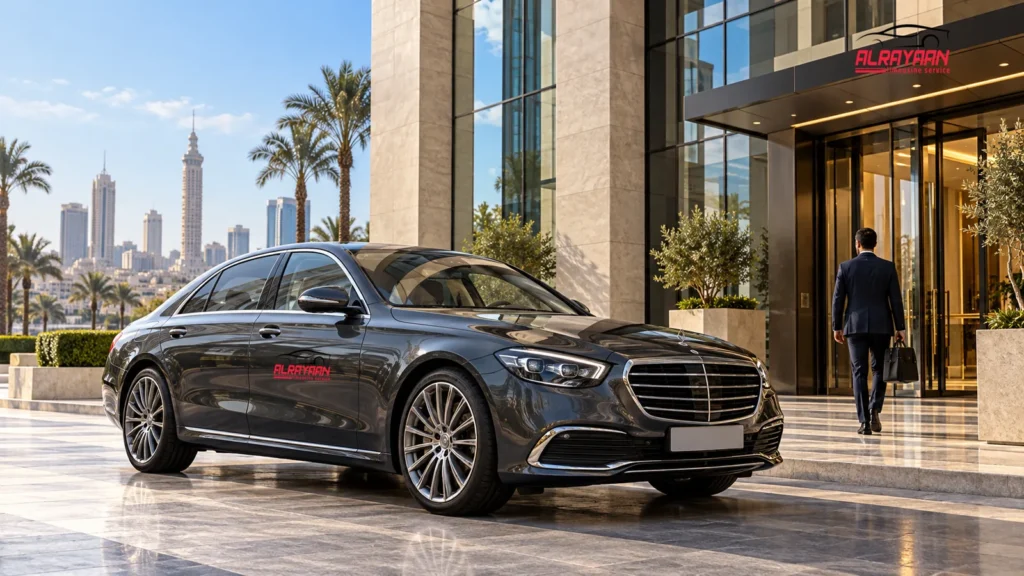
A Business Day in Cairo: Planning Your Private Chauffeur Itinerary
A productive visit to Cairo depends on how the day fits together. The airport, hotel, office entrance and meeting schedule should describe one workable itinerary. This guide helps business travellers and assistants prepare a chauffeur enquiry with enough detail for a personal response, without turning a transport request into an open-ended promise.
Build the itinerary around confirmed addresses
List each address in the order you intend to visit it. Include the building name, district, map pin and the entrance supplied by the host. A corporate campus may have separate visitor, vehicle and event access points; the company name alone may not identify the right approach.
Distinguish essential appointments from optional visits. If a host has not confirmed the location, mark it as provisional. That gives the booking team a more accurate picture than an itinerary in which every line appears fixed but half the addresses are still undecided.
Use appointment requirements rather than map promises
Record when you need to be at each appointment and what the host asks you to allow for reception or access. The drive is only one part of arriving ready for a meeting. A map estimate does not include every entrance, parking arrangement or security procedure.
Ask for a proposed transport plan around the actual addresses and schedule. If two appointments are close together on paper but in different parts of the city, make the priorities clear. The value of the enquiry is in reviewing the sequence, rather than promising that every proposed timing will always be possible.
Explain what waiting means for your day
A direct transfer to an office is different from requesting a vehicle to remain available between meetings. State where you expect to be dropped off, whether you need waiting, and where the next journey begins. If the meeting finish is uncertain, describe that uncertainty.
A useful plan separates the booked itinerary from possible additions. Ask how changes should be communicated and what the proposed arrangement covers. This helps an assistant, traveller and booking contact work from the same version instead of relying on several informal messages.

Keep airport arrival and meeting plans distinct
If you have an appointment on the arrival day, send the flight number, local arrival date and time, airport name and first destination. Allow the conversation to address the airport handover separately from the later office journey.
Landing time is not the same as being ready outside the terminal with luggage. Decide whether you want to go to the hotel first and what happens to the bags during a meeting. Describe the preference clearly so the team can review the itinerary as a whole.
Choose a vehicle request for the actual party
State how many colleagues will travel together and whether they have suitcases, presentation cases or other bulky items. A single traveller with a briefcase has a different request from a team arriving with luggage for a conference.
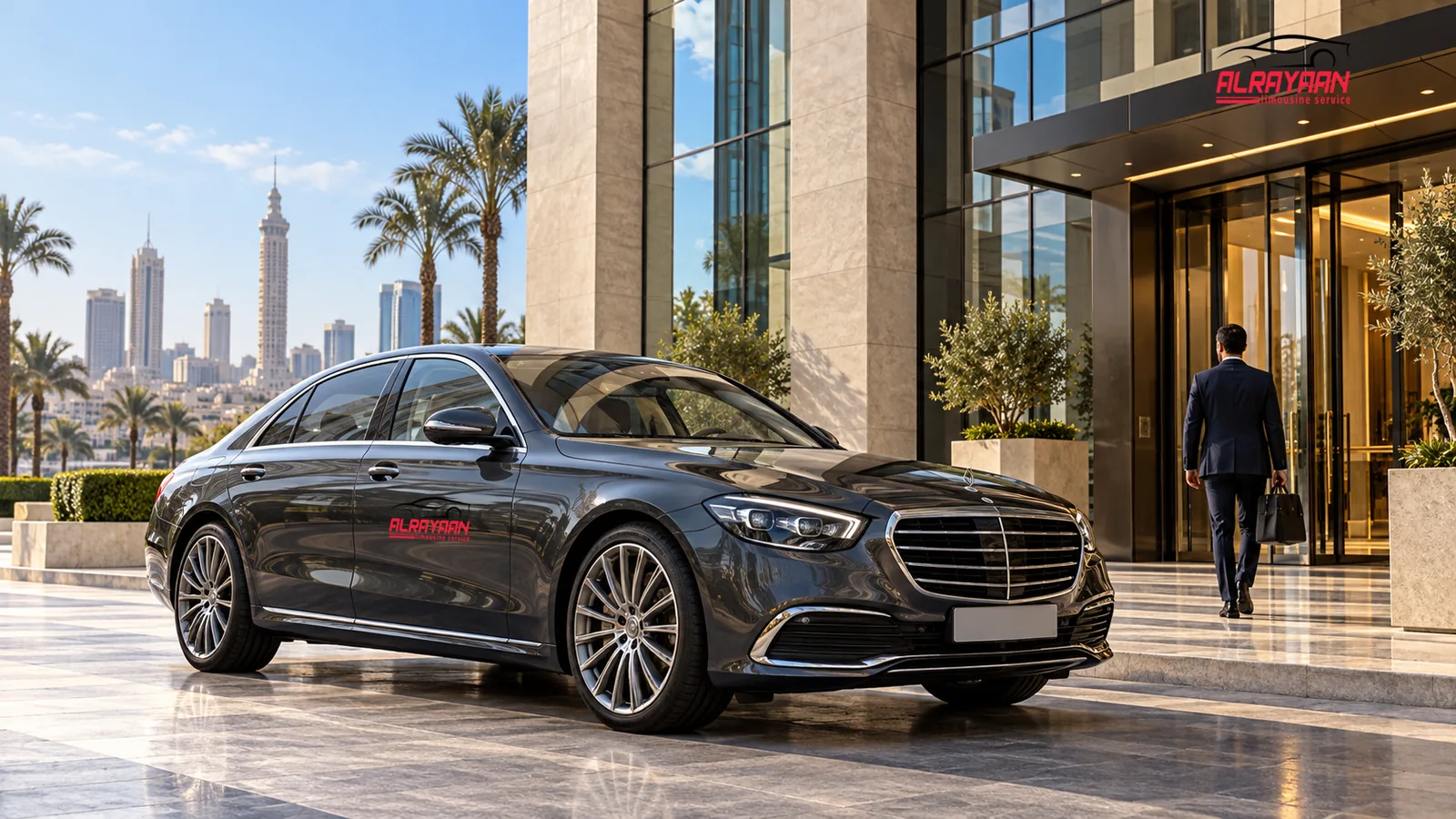
You can express a preferred category and the aspects of the journey that matter to you. Ask the response to confirm the proposed arrangement and availability. An advertising image is not a confirmation of a particular model, onboard equipment or interior configuration.
Give the day one reliable contact
Choose who will receive the final itinerary and coordinate changes. A travelling executive and an assistant may both be involved, but it helps to identify one person for each decision. Share only the information necessary to organize the journey.
If a meeting moves, send the new address, entrance and timing together. Avoid updating the location in one message while leaving an older time elsewhere in the thread. A concise itinerary with a clear revision is easier for everyone to follow.
Make conference and event pickup instructions practical
For a conference venue, ask the organizer where private vehicles should meet guests and whether there is a designated pickup area. Include the event name as context, but use the actual venue and entrance for the transport request.
If colleagues finish at different times, explain whether they should travel together or separately. A later hotel pickup or dinner journey should be listed as another leg. This keeps the request focused on the movements you need instead of assuming unlimited use throughout the event.
Request a proposal that answers your itinerary
Send the ordered addresses, date, requested pickup times, passengers, luggage, preferred category, waiting requirements and notes. Add flight details when relevant. If a return journey is required, describe it rather than adding only the word return.
Ask ALRAYAAN to review suitability and availability and to explain the proposed arrangement in the response. This guide offers no public rates or unverified service guarantees. The next step is a private quote for the business day you have actually planned.
Questions before you request your journey
Is a one-way office transfer the same as a chauffeur day?
No. State whether you need a direct transfer, several separate legs or waiting between addresses.
What if a meeting has no fixed finish time?
Explain that in the enquiry and ask how the proposed waiting and next-pickup arrangements would work.
Should an assistant send the whole itinerary?
An ordered list of addresses, timings and the designated contact is more useful than unrelated fragments from several messages.
Advertising illustrations show travel settings, not a confirmed vehicle model, property or included equipment. Confirm your proposed arrangements directly.