Choosing a Private Vehicle for Family Travel in Egypt: People, Bags and Comfort
A comfortable family journey begins with a vehicle request that describes the whole party. Children, suitcases, a pushchair and the plan for the day all matter. This guide helps you prepare those details without guessing capacity from a photograph or choosing a category on passenger numbers alone.
Begin with a simple passenger and bag list
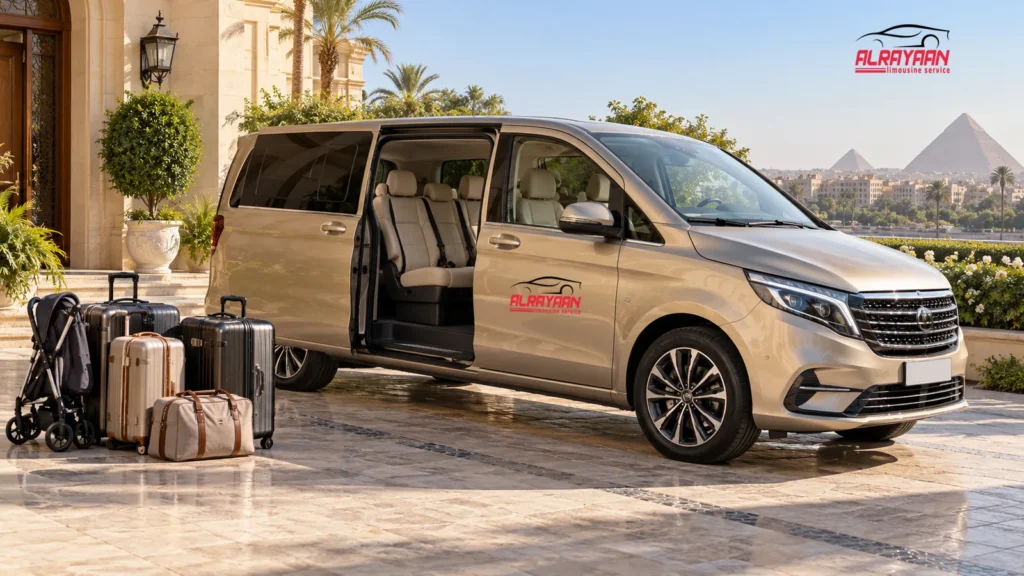
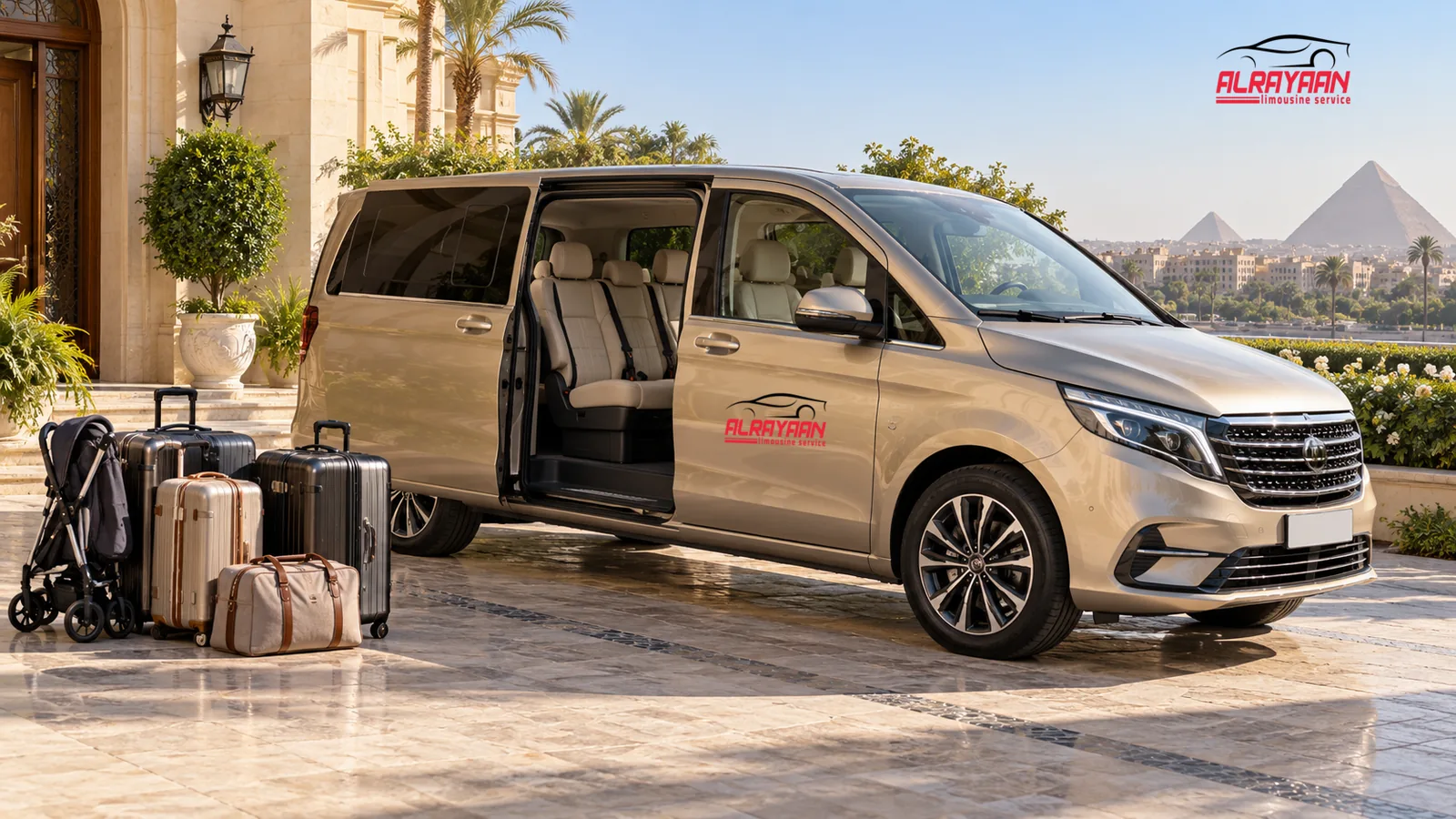
Write down the adults and children travelling together, then count the luggage separately. Distinguish large suitcases, cabin cases, soft bags and smaller personal items. Mention whether the group will collect additional luggage at an airport or pick up another family member on the way.
A short list is easier to review than a vague description such as a few bags. Approximate dimensions help for bulky items. If the list changes after the first enquiry, send an updated version so the proposed arrangement can be considered against the actual journey.
Give the pushchair its own line
A folded pushchair can have a different shape from a suitcase, and some travel systems have more than one piece. Describe what will be folded and how it is packed. Include other large items such as a wheelchair, walking aid or equipment case in the same practical way.
You do not need to send unnecessary personal or medical details to explain the transport request. Describe the space or access arrangement that matters, and ask the team to review it. The aim is to make the journey easier to organize around the people who will actually travel.
Separate seating requests from luggage space
A category name does not by itself establish the configuration or luggage capacity of the proposed vehicle. Explain the party and bags first, then describe your preferred category. A larger passenger vehicle may be worth discussing for a family with several cases, but suitability still needs confirmation.
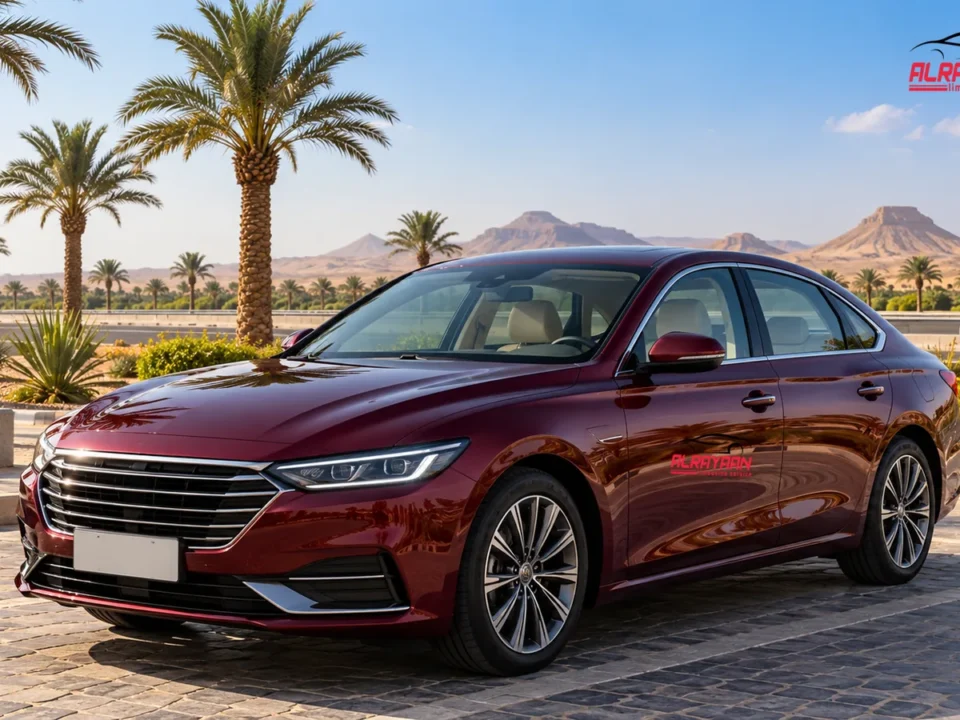
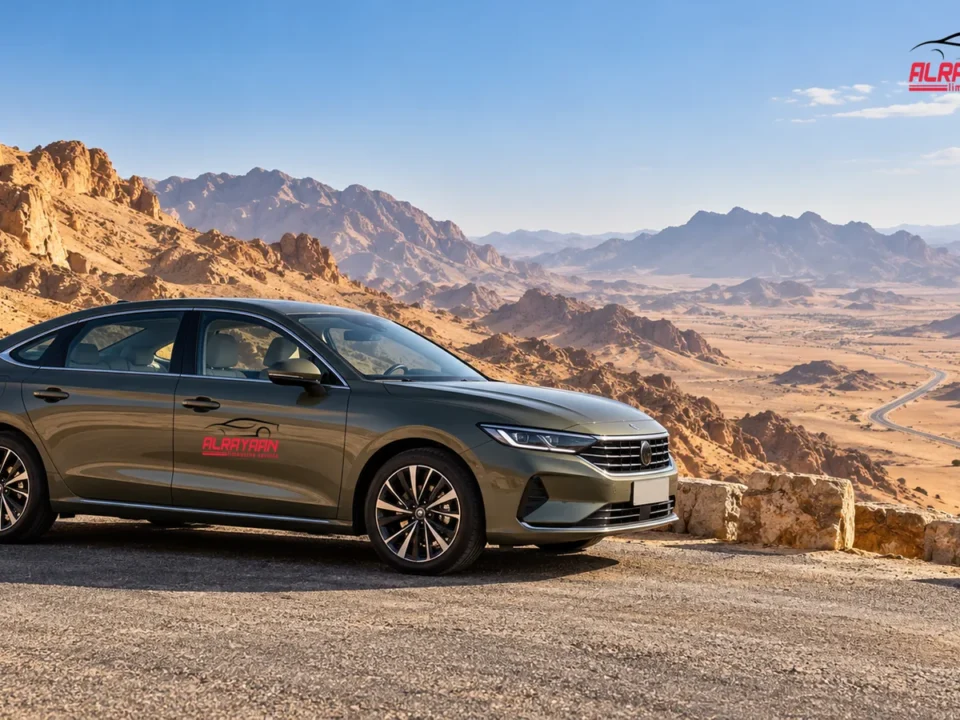
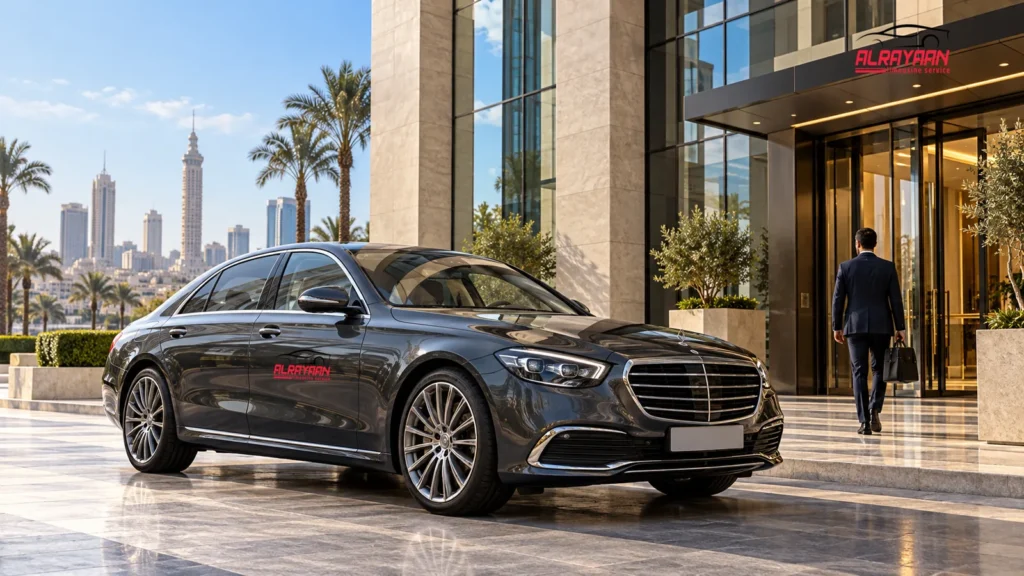
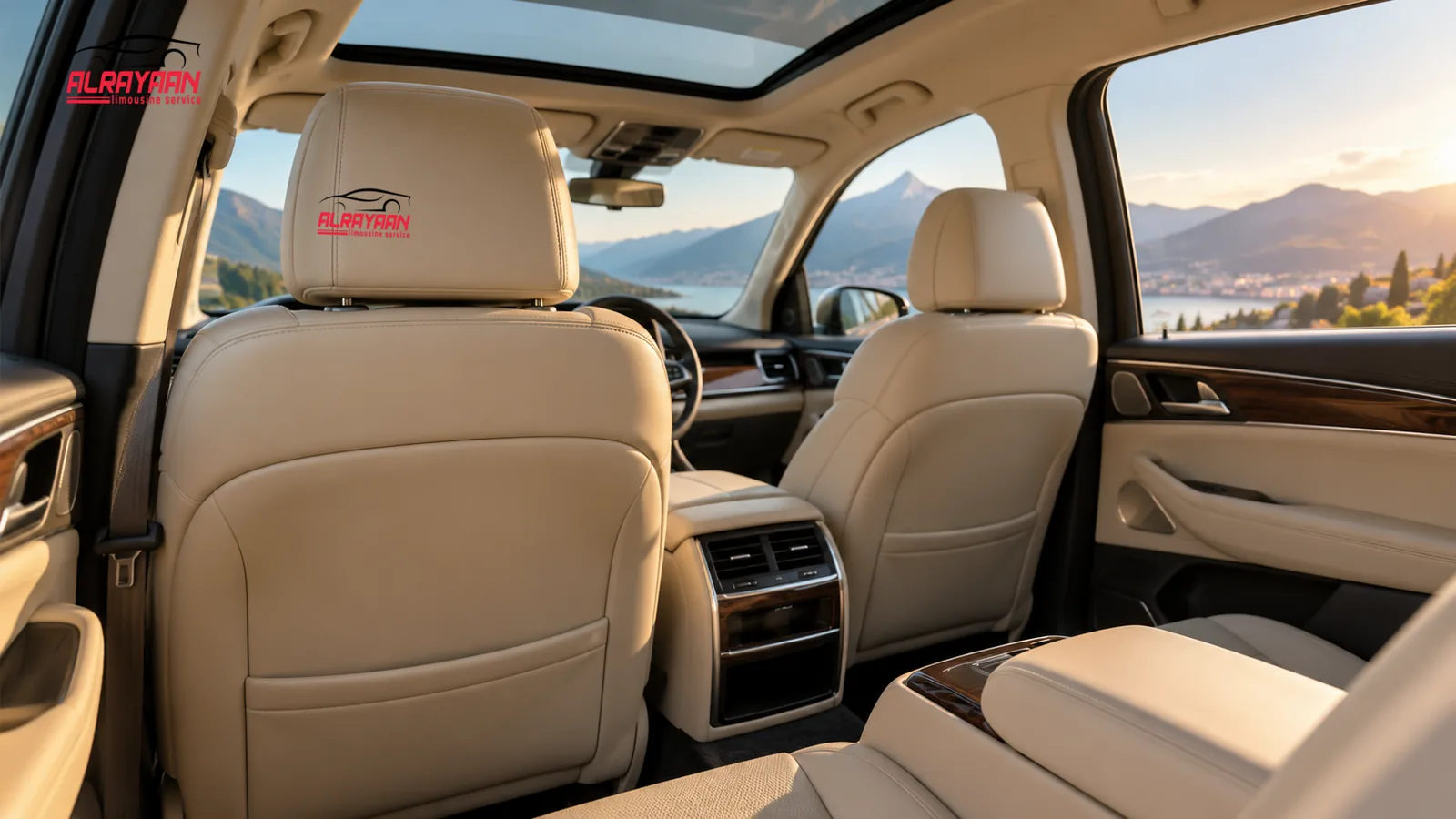
If a particular arrangement is essential, make that clear before confirming. Ask which category is being proposed and whether the complete luggage list has been considered. The images in this guide illustrate travel settings, rather than a guaranteed vehicle model or interior specification.
Discuss children’s arrangements before the journey
Include children’s ages where relevant to a seating request and explain any child-seat requirement. Do this at the enquiry stage instead of assuming that an image or a family service description establishes which equipment will be provided.
If you plan to bring your own equipment, explain what it is and how it travels. Keep the discussion focused on the arrangements needed for the journey. Ask for the response to address essential requests explicitly so the final itinerary is clear to the adults responsible for the group.
Plan the day around the journey you need
An airport-to-hotel arrival, an intercity drive and a day with several stops involve different requests. List pickup and destination addresses in sequence. Say whether you need a direct journey, an additional stop or waiting between appointments or visits.
For a longer day, think about the group’s practical rhythm: when everyone will be ready, which stops are essential, and whether the party will stay together. Describe those needs without building the plan around an unverified journey duration. The team can review the proposed itinerary before confirmation.
Make the airport handover manageable
Share the flight number, local arrival date and time, then ask for the meeting instructions. Decide who will be the group contact. Keep the instructions available offline and explain if members of the party arrive on separate flights.
When collecting bags, use the luggage list you already sent to check that the request still reflects what you have. If an airline returns additional equipment or an item has changed, update the booking contact. A clear final list is more useful than relying on the first message sent several weeks earlier.
Think about the return trip as well
Families sometimes leave with different bags or divide between hotels after arriving together. Confirm the return pickup address, party and luggage rather than assuming the first arrangement will apply unchanged. For an airport departure, include the departing flight details.
The airline’s current rules for checked baggage, pushchairs and equipment belong to the flight booking and should be checked directly with the carrier. Road-transfer planning needs to reflect the items that will actually be travelling with you. Keeping the two lists consistent makes the overall plan clearer.
Turn the list into a personalized enquiry
Send pickup, destination, date, time, passengers, luggage, preferred category and notes. Add flight details for an airport journey and explain any stops, waiting or return transfer. This gives ALRAYAAN a useful basis for reviewing the request.
Ask the response to confirm the proposed category and any essential arrangements. There are no fixed fares or equipment promises in this guide. A private quote should address your actual party and itinerary, making the next conversation about your journey rather than a generic vehicle label.
Questions before you request your journey
Is passenger capacity the same as luggage capacity?
No. Describe the bags and bulky items separately so the whole request can be reviewed.
Should I mention a folded pushchair?
Yes. Include its approximate folded dimensions and whether the travel system has additional pieces.
Can I assume a child seat is included?
Discuss any child-seat request before confirmation and ask for the proposed arrangement to be stated explicitly.
For independent destination or airline information, consult official EgyptAir information for passengers flying with that airline. Check current arrangements with the relevant operator.
Advertising illustrations show travel settings, not a confirmed vehicle model, property or included equipment. Confirm your proposed arrangements directly.